Understanding Emotions: A Journey for Neurodiverse Adults
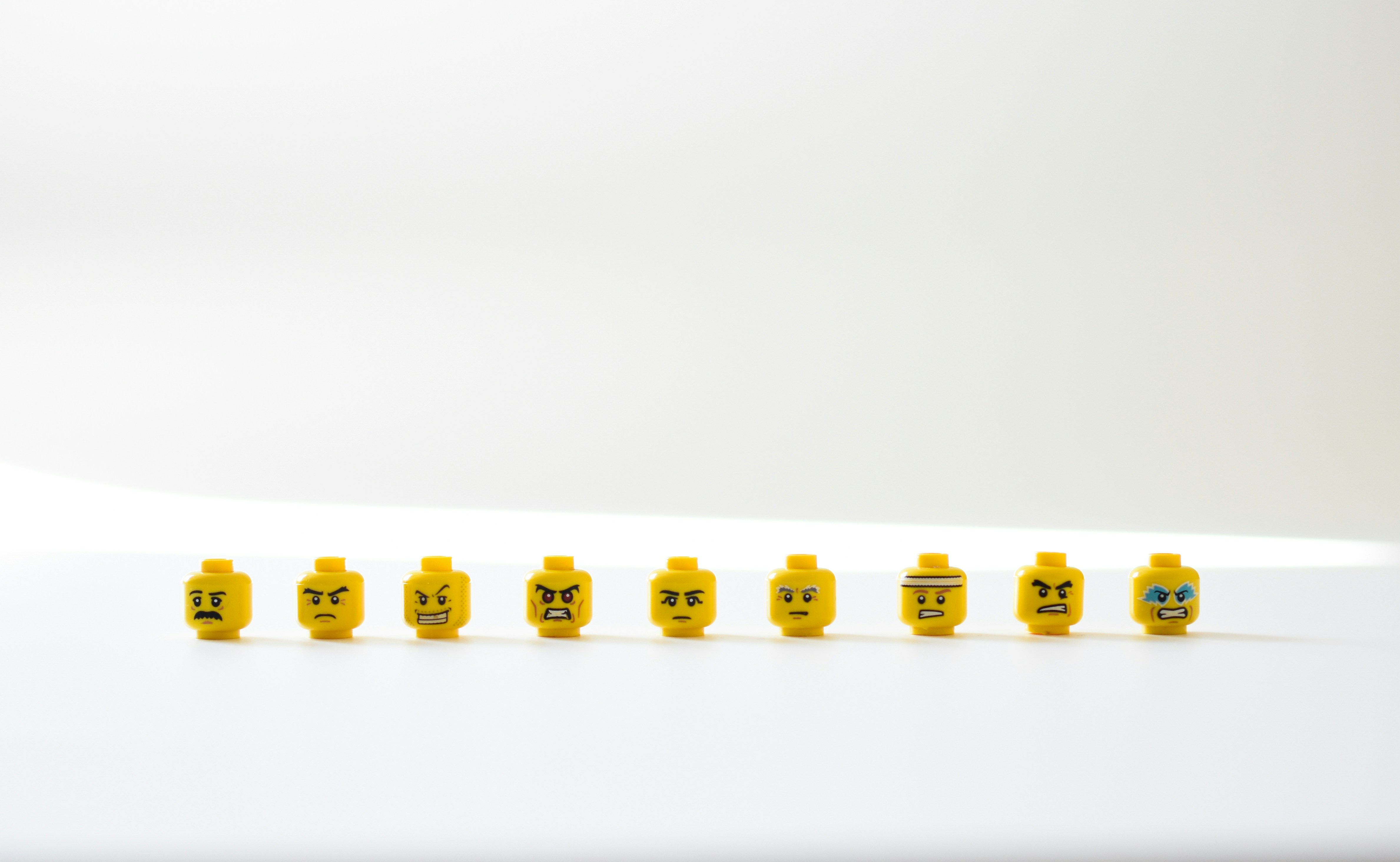
Have you ever felt like emotions are a foreign language that everyone else seems to understand fluently? If so, you’re not alone. Many neurodiverse adults experience something called alexithymia, which is simply a fancy term for difficulty identifying and describing emotions.
What is Alexithymia?
Alexithymia isn’t a disorder or a diagnosis. It’s more like a personality trait that varies from person to person. Think of it as being “emotion-blind” – just as some people are colour-blind, those with alexithymia might have trouble distinguishing between different emotions.
Interestingly, this trait is much more common in neurodiverse individuals. Research suggests that up to 50% of people with autism and between 22-41% of adults with ADHD may experience alexithymia. Compare that to only about 5% in the general population!
- How Might Alexithymia Affect You?
- If you’re living with alexithymia, you might:
- Find it hard to put your feelings into words
- Struggle to understand why you feel the way you do
- Have difficulty connecting with others on an emotional level
- Feel confused by other people’s emotional responses
It’s important to note that alexithymia doesn’t mean you don’t have emotions. They’re there – you just might have trouble accessing or interpreting them.
The Hidden Impact
Whilst alexithymia itself isn’t a big problem, leaving it unaddressed can sometimes lead to challenges. Emotions that we can’t identify or express don’t simply disappear. Instead, they might manifest in other ways, such as:
- Unexplained anxiety
- Feelings of depression
- Physical symptoms like headaches or stomach issues
- Difficulty in relationships
The Good News: You Can Work on This!
Here’s the exciting part: alexithymia isn’t set in stone. With the right support and strategies, you can develop your emotional awareness and expression skills.
In therapy, I can explore various approaches tailored to your unique needs. For instance:
- Learning to recognise physical sensations associated with emotions
- Developing a richer emotional vocabulary
- Practising mindfulness to increase awareness of your internal experiences
- Exploring alternative ways of expressing emotions that feel comfortable for you
Remember, the goal isn’t to change who you are, but to give you more tools to navigate the emotional aspects of life.
Your Emotions, Your Pace
If you’re curious about exploring your emotional landscape, know that you’re not alone on this journey. In my practice, I specialise in working with neurodiverse adults, and I understand the unique challenges and strengths you bring.
I believe in moving at your pace, using approaches that resonate with you. Whether you’re looking to enhance your relationships, manage stress more effectively, or simply understand yourself better, working on emotional awareness can be a valuable part of your personal growth.
Remember, your neurodiversity is a fundamental part of who you are, and it comes with many strengths. By developing your emotional skills, you’re not changing your identity – you’re simply adding more tools to your toolkit for navigating life’s ups and downs.
Interested in learning more? I’m here to support you on your journey of self-discovery and growth. Let’s explore the world of emotions together, one step at a time.